Color palettes
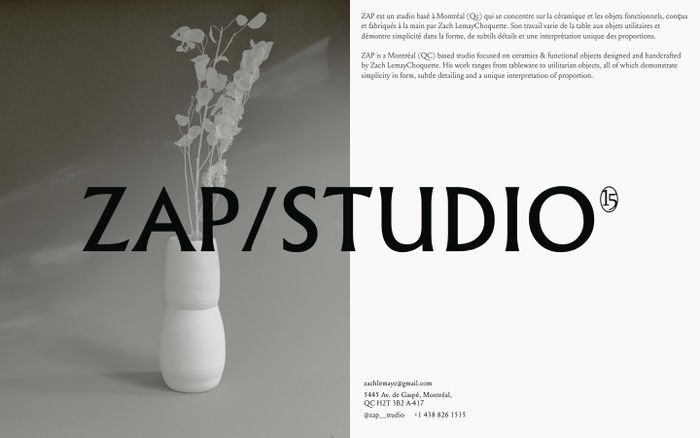
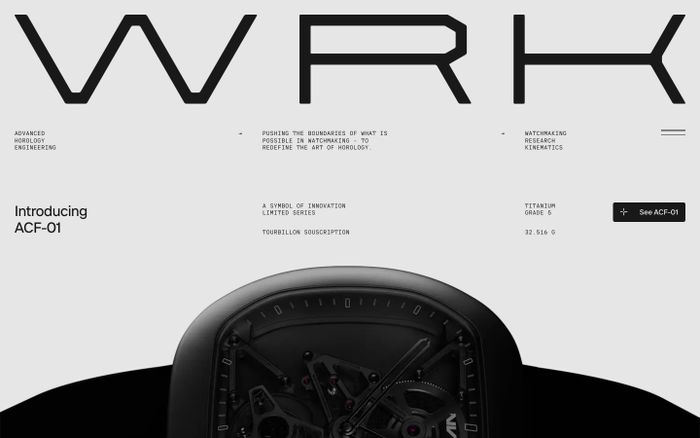
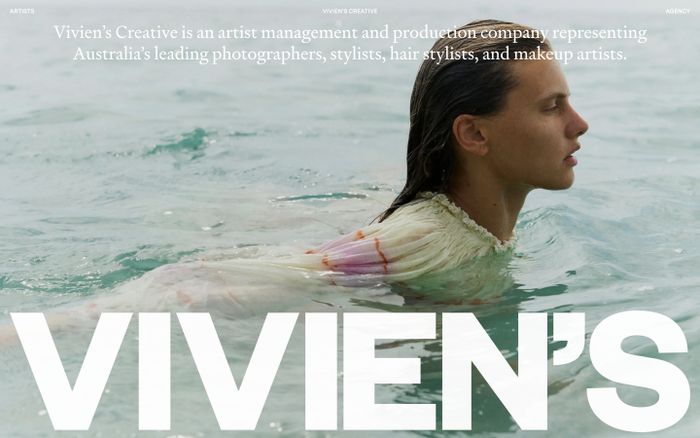
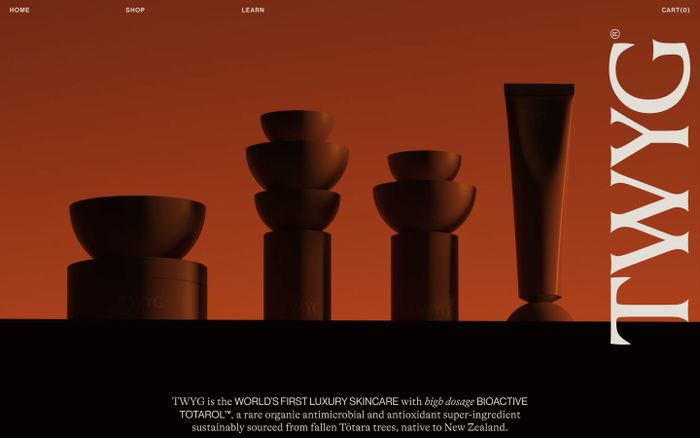
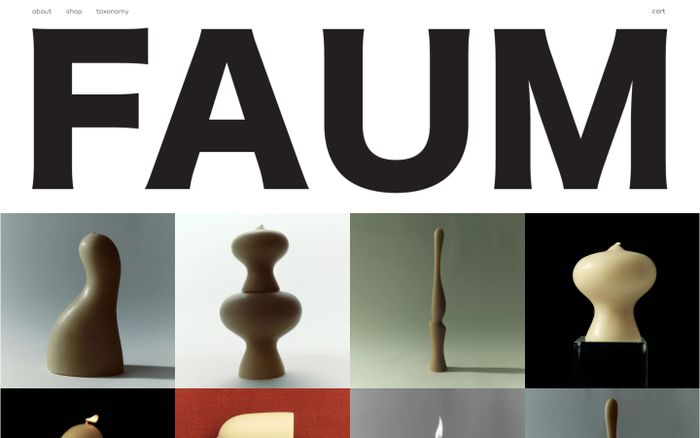
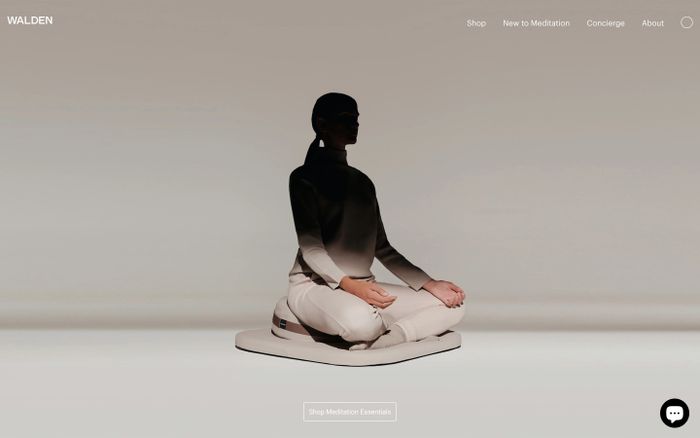
Explore palette combinations extracted from published websites, then jump into curated tag pages to browse by style, mood or color direction.
Browse palettes by tag
Start with a curated tag page if you are looking for a specific palette style rather than a single set of hex values.
Vintage palettes
Vintage color palettes combine aged neutrals, softened accents and familiar retro combinations that feel warm, timeless and collected.
Dark palettes
Dark color palettes lean on deep neutrals, controlled contrast and a small number of accents to create a sharper, more immersive visual tone.
Autumn palettes
Autumn palettes combine warm earth colors and deeper neutrals to create a grounded, seasonal look that feels rich without becoming heavy.
Gray palettes
Gray color palettes provide a neutral base that lets layout, typography and a small accent color do more of the visual work.
Blue palettes
Blue color palettes are versatile because they can feel calm, trustworthy, technical or bright depending on the supporting neutrals and accent colors around them.
Modern palettes
Modern color palettes focus on clarity, disciplined contrast and a smaller set of colors that feel current without becoming generic.
Neutral Pastel palettes
Neutral pastel palettes soften the usual pastel look by mixing pale accents with grounded creams, warm grays and low-contrast neutrals.
Earthy palettes
Earthy color palettes use natural-looking tones that feel grounded, tactile and calm, often borrowing from soil, leaves, stone and sun-faded materials.
Brown palettes
Brown color palettes bring warmth and material depth, especially when they are paired with cream, muted green, rust or deep charcoal.
Warm palettes
Warm color palettes are built to feel welcoming. They often use cream, clay, tan, orange, gold and red-based accents to create a softer kind of energy.
Green palettes
Green color palettes can feel natural, calm, optimistic or technical depending on whether they lean toward sage, forest, mint or brighter digital greens.
Orange palettes
Orange color palettes feel lively and approachable, especially when orange is balanced with darker neutrals, cream backgrounds or softer complementary tones.
Teal palettes
Teal color palettes sit between blue and green, which makes them useful when you want something calm and trustworthy without defaulting to standard blue.
Purple palettes
Purple color palettes can feel expressive, premium, mysterious or playful depending on whether they lean toward violet, plum, lilac or brighter digital purple.
Pastel palettes
Pastel color palettes use lighter, lower-intensity hues to create a softer tone that feels gentle, fresh and accessible.
Monochromatic palettes
Monochromatic palettes use one core hue and then build contrast through tint, shade and saturation shifts instead of switching to many unrelated colors.
Professional palettes
Professional color palettes prioritize trust, clarity and polish, usually through disciplined neutrals and one controlled accent rather than expressive color everywhere.
Wedding palettes
Wedding color palettes usually blend soft neutrals with romantic accents so the result feels elegant, celebratory and calm rather than loud.
Vibrant palettes
Vibrant color palettes use higher-energy hues and stronger contrast to create momentum, memorability and a clearer visual punch.
Gradient palettes
Gradient color palettes focus on how colors transition between one another, which makes them especially useful for hero sections, campaign visuals and high-impact brand moments.
Pastel Orange palettes
Pastel orange palettes keep the warmth and friendliness of orange while softening the overall look with peach, apricot, cream and low-contrast supporting tones.
Magenta palettes
Magenta color palettes are high-attention and expressive, which makes them effective when the goal is memorability rather than neutrality.
Navy Blue palettes
Navy blue palettes feel dependable and structured, but they can also feel premium when the supporting colors are crisp and restrained.
Unsubscribe anytime.